
Comprehensive Intense Pulsed Light (IPL) training for vascular lesions, pigmentation, photorejuvenation, and skin tone correction. Hands-on device operation with expert supervision in Sydney.
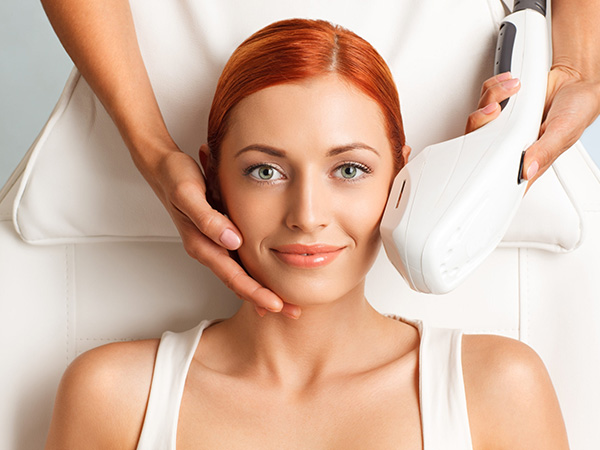

Program overview
Intense Pulsed Light (IPL) remains one of the most widely used energy-based devices in Australian aesthetic clinics, offering versatile treatment across vascular concerns (rosacea, telangiectasia, flushing), pigmentation (solar lentigines, freckles, diffuse discolouration), hair removal, and general photorejuvenation. However, the broad spectrum of IPL output and the variability between platforms means thorough device-specific and parameter training is essential for safe outcomes.
Our IPL training program covers the physics of polychromatic light, cutoff filter selection, chromophore targets, Fitzpatrick assessment, and hands-on treatment protocols. You will learn how to match filter selection and fluence to each patient’s skin type and treatment indication — minimising adverse event risk while maximising clinical outcomes.
IPL training curriculum
The IPL curriculum covers light physics, chromophore biology, and device operation before progressing to supervised clinical treatments across vascular, pigment, and photorejuvenation applications.
Is This Right for You?
Registered nurses new to IPL who need comprehensive training in device physics, patient assessment, and clinical protocols before operating Intense Pulsed Light equipment in a clinical setting.
Therapists operating IPL devices in cosmetic clinics who want to formalise their training with comprehensive protocol education, Fitzpatrick assessment, and documented adverse event management skills.
Aesthetic clinic managers who want their team trained to a consistent, evidence-based standard across all IPL applications — vascular, pigmentation, and photorejuvenation.
Dr Sana Pirzada is a highly experienced aesthetic practitioner and the founder of Aesthetics Consults. With over 15 years in cosmetic medicine, she has mentored hundreds of registered nurses across Australia, helping them build safe, confident, and AHPRA-compliant practices.
Her mentoring approach combines deep anatomical knowledge, hands-on injectable technique training, and real-world business guidance — everything you need to thrive in the competitive aesthetic medicine landscape.
Laser delivers a single, monochromatic wavelength of coherent light for highly specific tissue targeting. IPL delivers a broad spectrum of polychromatic light (typically 500–1200nm) filtered to target different chromophores. IPL is more versatile across applications but less precise than laser; it requires careful filter selection and Fitzpatrick assessment to ensure safe, effective outcomes.
IPL is effective for: rosacea and facial redness, telangiectasia (broken capillaries), solar lentigines (sun spots), freckles, diffuse skin discolouration, and general photoageing (photorejuvenation). It is also used for hair reduction, particularly on lighter skin tones. Our training covers all of these applications.
IPL is generally not recommended for Fitzpatrick skin types V–VI due to the risk of melanin over-absorption causing burns, hypopigmentation, or PIH. For skin types III–IV, IPL can be used with reduced fluence, appropriate filters, and skin cooling. Our training provides comprehensive guidance on safe parameter selection across all skin types.
Requirements vary by state and territory. In most Australian states, operating IPL devices for cosmetic treatments requires formal training documentation and adherence to workplace health and safety standards for radiation-emitting devices. We recommend checking with your state health department and professional insurer. Our training provides comprehensive documentation of your clinical education.
