
Master fractional and ablative CO2 laser techniques for skin resurfacing, acne scar treatment, wrinkle reduction, and skin tightening. Evidence-based training with supervised hands-on clinical sessions.

Program overview
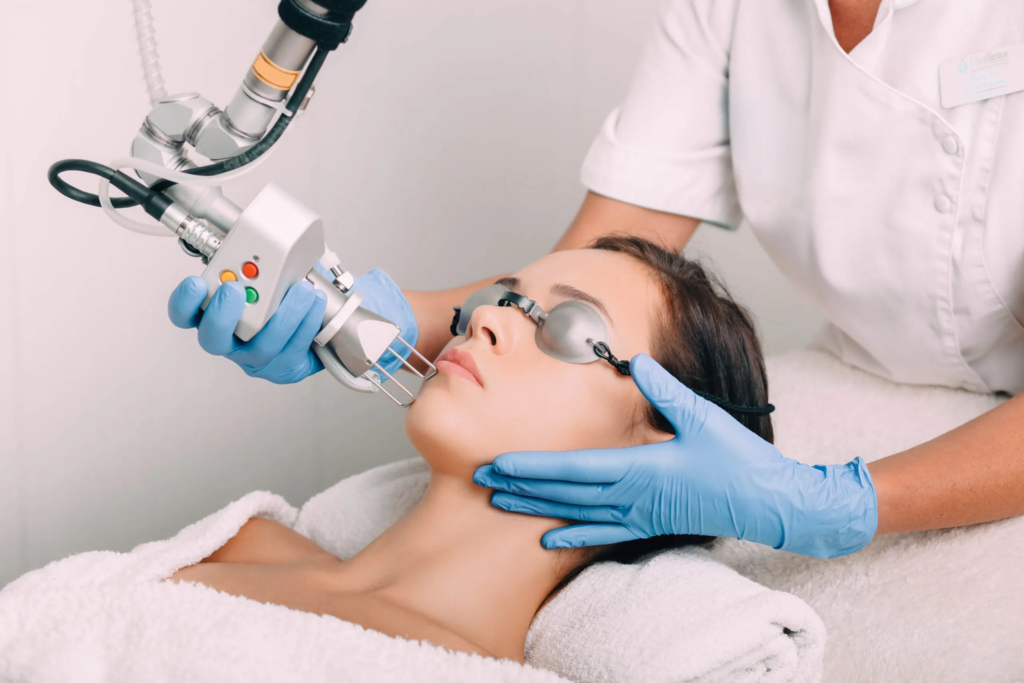
Fractional CO2 laser is the gold standard for ablative skin resurfacing — delivering powerful results in acne scarring, wrinkle reduction, skin tightening, and textural improvement. Because CO2 laser creates intentional controlled injury to the dermis, thorough training in patient selection, parameter optimisation, anaesthesia management, and post-treatment wound care is essential for safe clinical practice.
Our CO2 laser training program covers both fully ablative protocols and fractional resurfacing techniques — including microablative fractional CO2 (MFX) — allowing you to select the appropriate modality for each patient presentation, skin type, and downtime tolerance. All content is mapped to current evidence and Australian cosmetic practice standards.
CO2 laser curriculum
The program progresses from CO2 laser physics and tissue interaction through to supervised fractional and ablative treatment protocols, aftercare, and complication management.
Is This Right for You?
Registered nurses in aesthetic clinics ready to advance into fractional CO2 resurfacing — the highest-efficacy non-surgical skin treatment for acne scarring, wrinkles, and textural concerns.
Practitioners already familiar with non-ablative lasers who want to develop competence in ablative CO2 resurfacing protocols to offer patients higher-impact treatment outcomes.
Aesthetic clinic owners who have purchased or are planning to purchase a fractional CO2 system and want formal, documented training for their nursing staff.
Dr Sana Pirzada is a highly experienced aesthetic practitioner and the founder of Aesthetics Consults. With over 15 years in cosmetic medicine, she has mentored hundreds of registered nurses across Australia, helping them build safe, confident, and AHPRA-compliant practices.
Her mentoring approach combines deep anatomical knowledge, hands-on injectable technique training, and real-world business guidance — everything you need to thrive in the competitive aesthetic medicine landscape
Fractional CO2 typically results in 5–10 days of social downtime (redness, swelling, peeling). Fully ablative CO2 resurfacing may require 10–21 days. Our training covers managing patient expectations and post-treatment wound care protocols to optimise healing and minimise complications.
CO2 laser resurfacing devices are Class 4 medical lasers. Practitioners should have documented training in laser safety and the specific device being used. Registered nurses must also operate within their NMBA scope of practice and under the supervision or prescribing arrangement of an authorised medical practitioner. Our program provides comprehensive clinical training documentation.
